
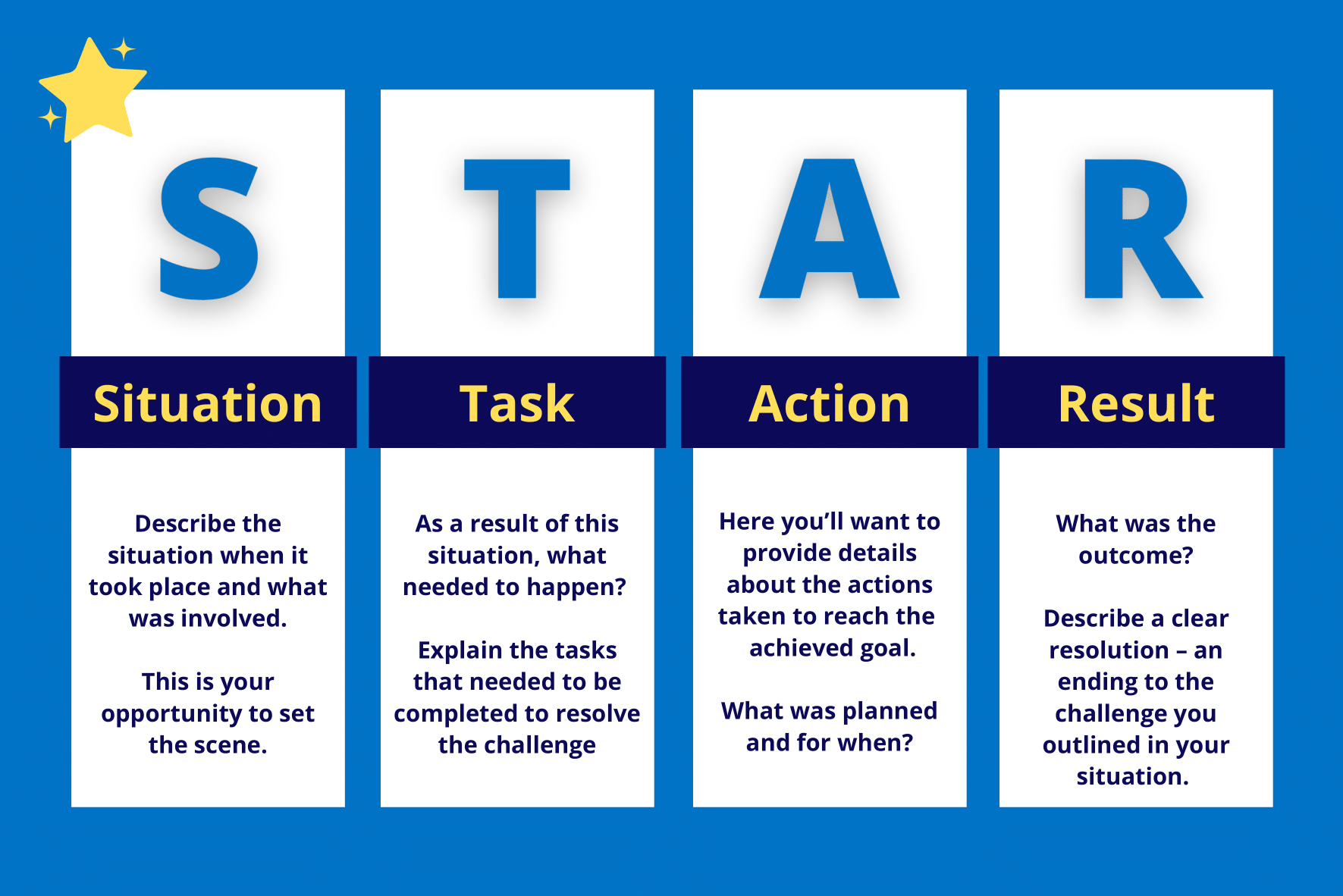
As technical interviews become increasingly competitive, your ability to structure compelling responses can make the difference between success and failure. The STAR method isn't just another interview technique—it's your secret weapon for turning complex technical experiences into clear, impactful stories that interviewers remember.
Why the STAR Method Matters in Technical Interviews
In today's technical interviews, particularly at top-tier companies, it's not enough to just solve problems on a whiteboard. Interviewers are looking for engineers who can:
- Clearly communicate their problem-solving process
- Demonstrate leadership and initiative
- Show impact through measurable results
- Handle challenges with resilience
The STAR method (Situation, Task, Action, Result) provides the perfect framework to showcase these qualities.
Breaking Down the STAR Framework for Technical Scenarios
Situation (S)
Set the technical context that demonstrates your expertise. Include:
- Project scope and complexity
- Team size and structure
- Technical environment and constraints
- Business context and stakes
Task (T)
Clearly outline your specific responsibilities and objectives:
- Your role in the project
- Technical challenges you needed to address
- Specific goals and success metrics
- Deadlines and constraints
Action (A)
Detail your technical approach and implementation:
- Design decisions and their rationale
- Technologies and methodologies used
- Challenges encountered and how you overcame them
- Collaboration with team members
- Code quality and best practices implemented
Result (R)
Quantify your impact with specific metrics:
- Performance improvements
- Cost savings
- User impact
- Code quality metrics
- Team productivity gains
Real-World STAR Example: Optimizing Application Performance
Here's how to apply the STAR method to a common technical interview question: "Tell me about a time you improved application performance."
Situation: "Our e-commerce platform was experiencing significant performance issues during peak hours, with page load times exceeding 5 seconds and affecting 100,000+ daily users. The infrastructure team identified the product catalog service as the bottleneck."
Task: "As the lead backend developer, I was responsible for optimizing the service to achieve sub-second response times while maintaining data consistency and minimizing infrastructure costs."
Action: "I implemented a multi-layered solution:
- Introduced Redis caching for frequently accessed product data
- Optimized database queries through proper indexing and query refactoring
- Implemented database connection pooling
- Added request compression and response pagination
- Set up performance monitoring using New Relic"
Result: "The optimization resulted in:
- 90% reduction in average response time (from 5s to 500ms)
- 30% decrease in infrastructure costs
- 25% improvement in conversion rate
- Zero downtime during implementation
- Knowledge sharing sessions that helped team members improve their optimization skills"
Common Pitfalls to Avoid
Being Too Vague
- Bad: "I improved the system performance"
- Good: "I reduced API response time by 90% through implementing Redis caching"
Focusing Too Much on Team Efforts
- Bad: "We optimized the database"
- Good: "I led the database optimization effort by..."
Neglecting Technical Details
- Bad: "I fixed some bugs"
- Good: "I identified and resolved memory leaks using Chrome DevTools profiler"
Forgetting Quantifiable Results
- Bad: "Users were happy"
- Good: "User satisfaction scores increased by 40%"
STAR Method Templates for Common Technical Questions
System Design Improvements
S: Current system state and limitations T: Specific improvements needed A: Architecture decisions and implementation steps R: Performance metrics and business impact Copy
Bug Resolution
S: Bug impact and severity T: Resolution priority and constraints A: Debugging process and fix implementation R: Time saved and prevention measures Copy
Team Leadership
S: Team challenges and project context T: Leadership responsibilities A: Management and technical decisions R: Team productivity and project outcomes Copy
Practice Makes Perfect
Remember, the STAR method is a skill that improves with practice. Before your interview:
- Prepare 5-7 strong technical stories
- Practice telling them in under 2 minutes
- Focus on quantifiable results
- Have varied examples ready (debugging, optimization, leadership)
- Record yourself and analyze your responses
Next Steps
Ready to put the STAR method into practice? Try our technical interview simulation quizzes, where you can:
- Practice with real interview questions
- Get instant feedback on your responses
- Track your improvement over time
- Access premium interview preparation resources
Remember, mastering the STAR method isn't just about memorizing a format—it's about telling compelling technical stories that showcase your expertise and impact. Keep practicing, and you'll be ready to shine in your next technical interview.
Want to dive deeper into technical interview preparation? Check out our comprehensive interview preparation track, featuring hands-on coding challenges, system design workshops, and more.
Hiring engineers? Test on proof.
Turn a job description into a proctored, AI-graded assessment in minutes.